Source anti slippery breathable house shoes for Home, Office, Hotel
Compare 30 listings of anti slippery breathable house shoes featuring EVA or TPR outsoles, mesh linings, and cotton uppers. Buyers can evaluate customization options, seasonal suitability, and dispatch details from Fujian suppliers.
Key considerations
Products List
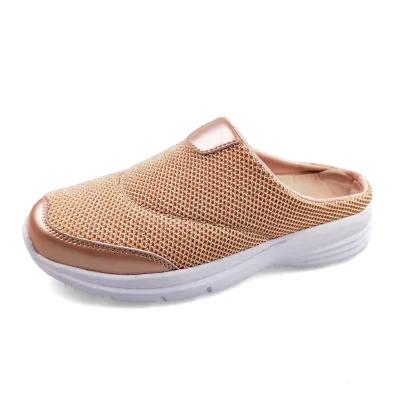


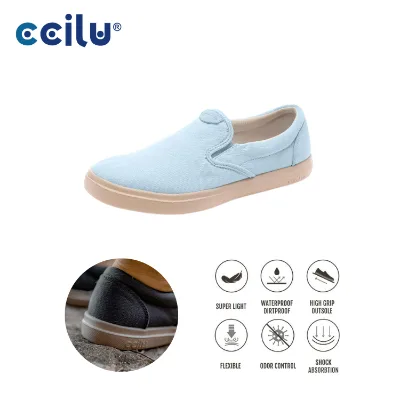


Comprehensive Sourcing Guide
Strategic Sourcing Guide for Anti-Slippery Breathable House Shoes
Understanding Product Attributes and Technical Specifications
When sourcing anti-slippery breathable house shoes, buyers must first establish a clear understanding of the technical specifications that define product performance. The core functionality of these footwear items relies heavily on the synergy between the outsole material and the upper construction. Based on observed market data, the outsole materials frequently cited include Ethylene-Vinyl Acetate (EVA) and Thermoplastic Rubber (TPR). EVA is often selected for its lightweight properties, which contribute to the "Light Weight" feature observed in many listings, while TPR offers a balance of durability and grip. The anti-slippery capability is frequently engineered through specific design elements, such as anti-slip particles embedded in the sole or textured patterns designed to increase friction on smooth indoor surfaces.
The upper material plays a critical role in the "Breathable" attribute. Cotton is a common material observed in this category, providing natural breathability and comfort for extended wear. However, Polyurethane (PU) is also present, often paired with mesh linings to enhance airflow. The lining material, specifically identified as "Mesh" in several product profiles, is essential for moisture management, preventing the buildup of heat and sweat within the shoe. This combination of materials ensures the footwear remains comfortable in various indoor environments.
Sizing and fit are equally critical technical parameters. The market data indicates a wide range of US sizes, typically spanning from size 3 to 14.5, with specific models offering sizes 6 through 11 or 6.5 through 14.5. The heel height is predominantly flat or low, aligning with the "Walking Shoes" and "Slip-On" style classifications. The toe shape is generally round, providing ample room for toe movement, which is a key comfort factor for house shoes. Buyers should verify the specific size standard used by the supplier, as some listings reference Chinese sizing (e.g., 36-48) while others use US sizing. The "Close Pattern" varies between lace-up and elastic band designs, influencing the ease of entry and the security of the fit.
Compliance, Certification, and Safety Standards
In the realm of B2B procurement, verifying compliance and safety standards is paramount, even for indoor footwear. While the core keyword focuses on comfort and slip resistance, the underlying safety implications of anti-slippery properties cannot be overlooked. Buyers should be aware that certain industry standards, such as ISO 20345:2011 and ISO 20347:2012, are often referenced in the broader footwear sector. However, it is crucial to note that these standards typically apply to safety footwear with specific protective requirements, such as toe caps, which may not be present in standard house shoes.
When evaluating suppliers, buyers must not assume that a product automatically meets these high-level safety certifications. The presence of "Anti-Slip" features does not equate to certification under ISO 20345 without explicit documentation. Instead, procurement teams should request specific test reports that validate the slip resistance of the outsole material on wet and dry surfaces. The "Anti-skid design" mentioned in product attributes, such as the use of anti-slip particles, should be backed by empirical data rather than marketing claims.
Additionally, while "CE" certification is a background factor often associated with European markets, its relevance to house shoes depends on the specific classification of the product under local regulations. Buyers should verify if the supplier has undergone third-party testing for the specific features claimed, such as the "Anti-microbial" or "Waterproof" attributes found in some listings. It is important to distinguish between products that are "Not Waterproof" and those explicitly marketed as "Waterproof," as this distinction significantly impacts the suitability of the shoe for different indoor environments, such as bathrooms versus living rooms.
Cost Drivers and Pricing Dynamics
The pricing structure for anti-slippery breathable house shoes is influenced by a complex interplay of material costs, manufacturing complexity, and order volume. The observed price range in the market spans from $1 to $64.9 USD, a wide variance that reflects differences in material quality, brand positioning, and customization levels. Lower-priced items often utilize standard EVA or TPR outsoles with basic cotton or synthetic uppers, while higher-priced options may incorporate premium materials, advanced anti-slip technologies, or custom branding.
Material selection is a primary cost driver. The use of high-quality mesh linings and breathable cotton uppers can increase the base cost compared to synthetic alternatives. Furthermore, the complexity of the "Hand Made" production process, which is noted in some product profiles, typically commands a higher price point due to increased labor intensity. In contrast, mass-produced items with automated assembly lines may offer lower unit costs but potentially less consistency in quality.
Order volume significantly impacts the final unit price. The Minimum Order Quantity (MOQ) observed ranges from 1 to 1000 units. Suppliers offering lower MOQs, such as single-item purchases, often charge a premium per unit to cover setup and administrative costs. Conversely, bulk orders of 1000 units or more can leverage economies of scale to reduce the per-unit cost. Buyers should also consider the cost of customization, such as logo printing or custom packaging (e.g., cotton bags, boxes), which adds to the overall expense. The "Supply Ability" of 1000 boxes per month indicates that suppliers have a finite capacity, which can affect pricing during peak demand periods.
Typical Applications and Market Segmentation
Anti-slippery breathable house shoes serve a diverse range of applications, driven by the specific needs of different end-users. The primary application is residential use, where comfort, safety, and breathability are the top priorities. In home environments, these shoes are worn in kitchens, bathrooms, and living areas where slip hazards may exist due to wet floors or smooth tiles. The "Breathable" and "Quick Dry" features are particularly valuable in these settings, ensuring that the footwear remains hygienic and comfortable even after exposure to moisture.
Beyond residential use, these shoes are increasingly adopted in commercial and institutional settings. Hotels, spas, and senior care facilities often require footwear that meets specific safety and hygiene standards. The "Anti-microbial" feature, observed in some product listings, is a significant selling point for healthcare and hospitality sectors where infection control is critical. The "Unisex" nature of the products allows for broad application across different demographics, making them suitable for family use or mixed-gender staff environments.
The "4 Season" attribute suggests that these shoes are designed for year-round use, adapting to varying indoor temperatures. This versatility makes them a staple in regions with distinct seasonal changes, where indoor heating or cooling systems can affect floor conditions. The "Flat" and "Low Heel" designs ensure stability and reduce the risk of tripping, which is essential for elderly users or those with mobility issues. Buyers should align their product selection with the specific environmental conditions of their target market, ensuring that the shoe's features match the intended application.
Supplier Evaluation and Operational Capabilities
Selecting the right supplier requires a rigorous evaluation of their operational capabilities, production capacity, and flexibility. The "Place of Origin" is consistently identified as Fujian, China, a region known for its robust footwear manufacturing ecosystem. Buyers should verify the supplier's "Supply Ability," which is listed as 1000 boxes per month in some profiles, to ensure they can meet demand without compromising quality or delivery timelines.
Customization capabilities are a key differentiator among suppliers. The availability of "OEM/ODM" services, along with options for custom logos and packaging (such as cotton bags or boxes), indicates a supplier's flexibility to tailor products to specific brand requirements. However, buyers must confirm the feasibility of these customizations, including the lead times and additional costs involved. The "Sample" availability is another critical factor; suppliers that can provide samples within 10-20 days allow buyers to assess product quality before committing to large orders.
Lead times are a crucial consideration for supply chain planning. The "Delivery Time" is noted as within 45-60 days after samples are confirmed and deposit is received. This timeline must be factored into inventory management strategies to avoid stockouts. Buyers should also evaluate the supplier's "Port of dispatch," which is listed as Xiamen, to understand logistics and shipping costs. A reliable supplier will provide transparent communication regarding production status and potential delays, ensuring that the procurement process remains smooth and predictable.
Quality Control and Long-Term Procurement Considerations
Ensuring consistent quality is essential for maintaining brand reputation and customer satisfaction. Buyers should implement a robust quality control (QC) protocol that includes pre-production sample approval, in-process inspections, and final random inspections. The "Quality" attribute is described as "Top Level" in some listings, but this claim must be validated through physical testing and third-party verification. Key quality metrics to monitor include the durability of the outsole, the integrity of the stitching, and the consistency of the anti-slip properties.
Long-term procurement considerations involve building a sustainable relationship with suppliers who can adapt to changing market demands. The "Customization" options, such as varying colors (Yellow, Green, Multi) and sizes, allow buyers to respond to seasonal trends and customer preferences. However, frequent changes in design or material can impact production efficiency and costs. Buyers should work with suppliers who have a proven track record of maintaining quality while accommodating customization requests.
Additionally, buyers should consider the environmental and ethical implications of their sourcing decisions. While specific certifications like ISO 20345 may not apply directly, the use of sustainable materials and ethical manufacturing practices can enhance the brand's value proposition. The "Hand Made" aspect of some products highlights the importance of skilled labor, which can be a selling point for consumers who value craftsmanship. By prioritizing quality, flexibility, and ethical standards, buyers can secure a reliable supply chain that supports long-term business growth and customer loyalty.
Comparative Analysis of Product Variants
To facilitate informed decision-making, the following table summarizes key differences between observed product variants based on the supplied data. This comparison highlights the trade-offs between material, features, and specifications that buyers should consider.
| Feature | Variant A (EVA/TPE Focus) | Variant B (TPR/Cotton Focus) | Variant C (PU/Mesh Focus) |
|---|---|---|---|
| Outsole Material | EVA | TPR | TPR |
| Upper Material | Cotton | Cotton | PU |
| Lining Material | Mesh | Mesh | Mesh |
| Key Features | Light Weight, Anti-Slip | Breathable, Anti-Slip | Waterproof, Anti-microbial |
| Waterproof | Not Waterproof | Not Waterproof | Waterproof |
| Style | Slip-On, Walking Shoes | Walking Shoes | Slip-On |
| Size Range | US 6-11 | US 3-12 | US 6.5-14.5 |
| Heel Height | Flat | Flat | Low Heel |
| Customization | Available | Available | Available |
| Typical Use | General Indoor | General Indoor | Wet Areas/Bathrooms |
This table illustrates that while all variants share common anti-slip and breathable attributes, they differ significantly in material composition and specific features like waterproofing. Buyers should select the variant that best aligns with their specific application requirements, balancing cost, performance, and customization needs. By carefully evaluating these factors, procurement teams can optimize their sourcing strategy and ensure the delivery of high-quality, safe, and comfortable footwear to their customers.
FAQs
What materials are used for the outsole of these shoes?
The outsole materials observed include EVA and TPR. EVA provides lightweight properties while TPR offers durability and grip, both supporting the anti-slippery feature.
Can buyers customize the logo and packaging for orders?
Yes, customization is available for both logos and packaging. Buyers can request options like cotton bags or boxes, and OEM or ODM services are supported by the supplier.
What is the typical delivery time after sample confirmation?
Delivery occurs within 45 to 60 days after samples are confirmed and the deposit is received. This timeline accounts for production and logistics from the Xiamen port.
Which sizes are available for these unisex house shoes?
Available US sizes range from 3 to 14.5 depending on the model. Specific listings also show sizes 6 through 11 or 6.5 through 14.5 for various styles.
Are these shoes waterproof or suitable for wet environments?
Product attributes indicate some models are not waterproof while others are waterproof. Buyers must verify specific listings to determine suitability for wet indoor environments like bathrooms.
What is the minimum order quantity for purchasing these shoes?
The observed minimum order quantity ranges from 1 to 1000 units. Lower MOQs allow for single-item purchases, while bulk orders may leverage economies of scale.